Jump to: Youth | Educational | Awareness & Prevention | Flow & Flourish | Check-In Circle
Youth
Pathfinders
Middle Schoolers (grades 6-8): Early Adolescence
Early adolescence, covering ages 10–14, is the initial stage of adolescence and marks the transition from childhood into teenage years. This period is characterized by rapid physical, cognitive, emotional, and social changes. Recognizing these shifts is essential for designing supportive educational programs and community initiatives.
- Physical: Onset of puberty; rapid growth spurts; body changes begin.
- Cognitive: Developing abstract thinking; still concrete in many areas; limited perspective-taking.
- Emotional: Heightened self-consciousness; mood swings; early identity exploration.
- Social: Friendships grow in importance; peer acceptance critical; family still central.
- Educational/Vocational: Building study habits; beginning to explore personal interests and talents.

Empowered
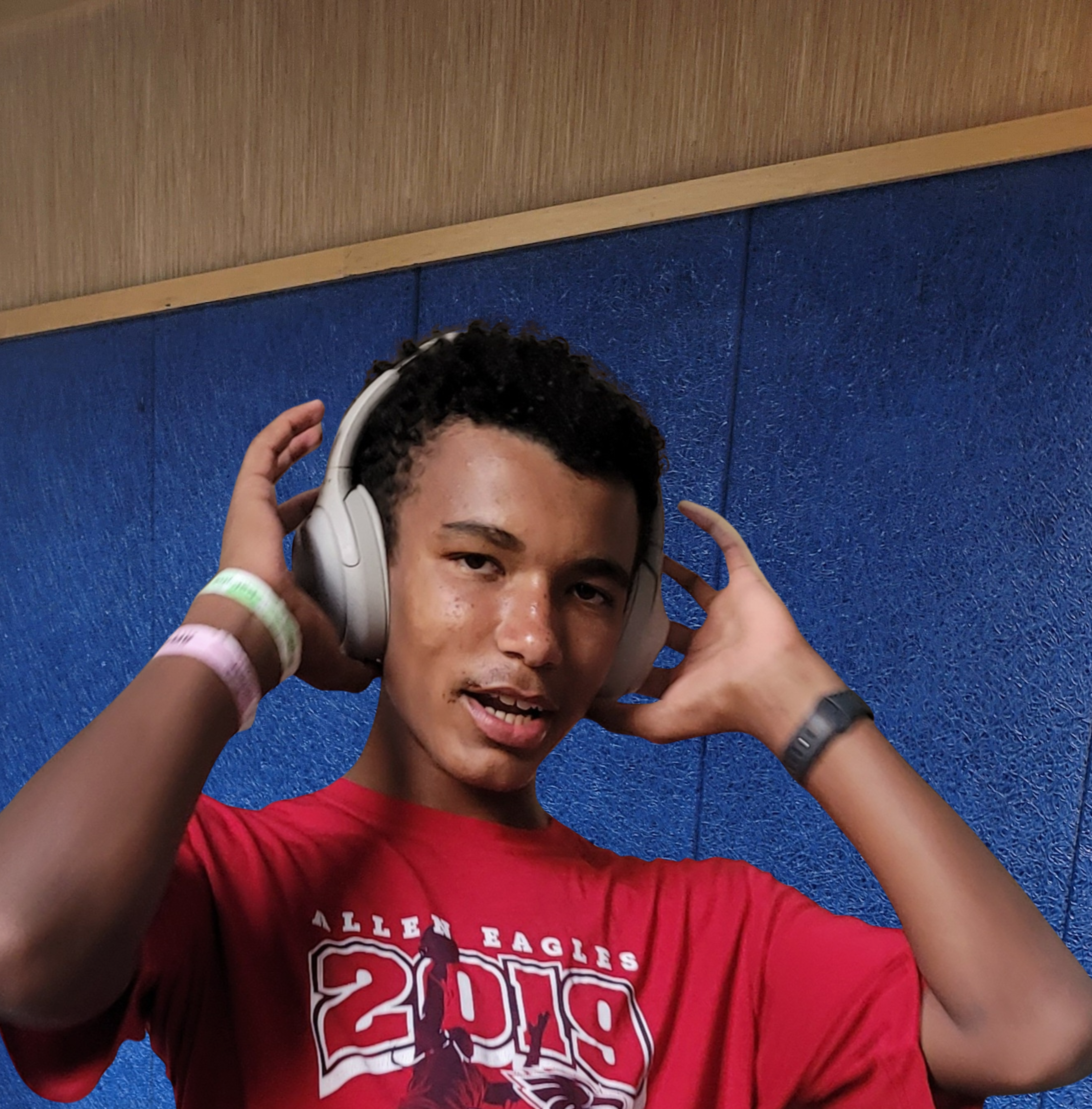
High Schoolers (Grades 9-12): Middle Adolescence
Middle adolescence is a critical stage of human development. During this period, youth experience rapid changes in physical, cognitive, emotional, and social domains. These changes have direct implications for educational programs, youth development initiatives, and community support systems.
- Cognitive: Stronger abstract thinking; better problem-solving; still developing impulse control.
- Physical: Extremely concerned with appearance and body; feelings of strangeness about
- oneself.
- Emotionally, Identity exploration, fluctuating self-esteem, and risk-taking behaviors are common.
- Social: Peer influence peaks; autonomy from parents; romantic/sexual identity develops.
- Educational/Vocational: Focus on academics, career exploration, and part-time work.
Educational
Fearless
Educational Program: Late Adolescence
- Cognitive traits: ability to delay gratification, ability to think through ideas, ability to express ideas in words, ability to compromise, and a more developed sense of humor.
- Emotional traits: interests and emotions become more stable, a greater concern for others, and the ability to make independent decisions.
- More defined work habits, a higher level of concern for the future, and thoughts about their role in life
- Valuable insight; focus on personal dignity and self-esteem; ability to set goals and follow through; acceptance of social institutions and cultural traditions; self-regulation of self-esteem
- Taking on adult responsibilities—finances, housing, and time management
- Strengthening decision-making and problem-solving skills
Awareness & Prevention
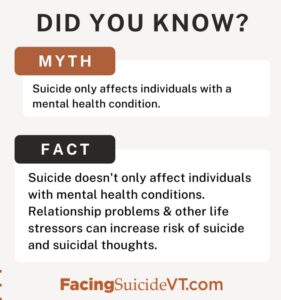
- Part of TEC’s Triple Prevention Strategy: Addressing alcohol misuse, drug misuse, and suicide risk together.
- Community‑Driven Collaboration: Work with Big Brothers Big Sisters of Vermont, United Way of Northwest VT – Prevention Network, Vermont Youth Center Alliance, and local school partners.
- Data‑Informed Approach: Uses monthly updates from the Vermont Department of Health’s Suicide Surveillance Dashboard to identify trends and respond early.
- Training & Awareness for Youth: Helps young people recognize warning signs in themselves and peers—such as substance misuse, mental health struggles, financial stress, or social pressure.
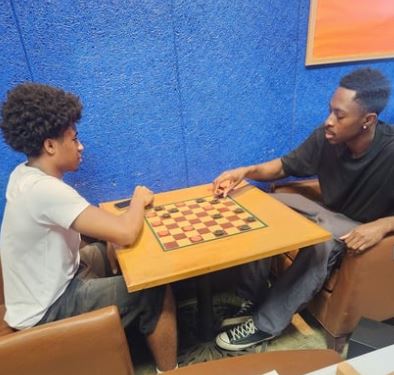
- Supportive Spaces for Honest Conversation: TEC provides safe, youth‑centered environments where students can learn, talk openly, and access help.
- School & Community Partnerships: Collaborates with coaches, educators, and youth workers—like the South Burlington School District—to strengthen prevention outreach.
- Focused on Early Intervention: Encourages youth and families to seek help immediately when warning signs appear.

Flow & Flourish: Empower Through Your Pour
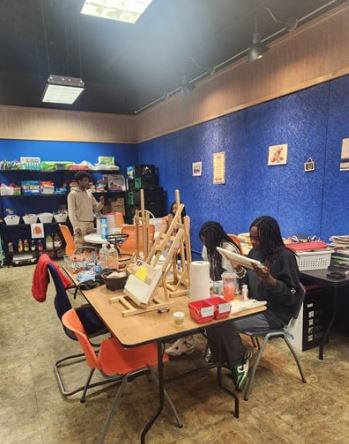
- Creative Freedom Through Pour Painting: Youth choose their own colors, canvases, and styles—encouraging self-expression without rules or limitations.
- Sensory-Friendly, Youth-Centered Environment: Participants may use headphones or personal devices to play music or explore new pouring techniques.
- Art Ownership & Personal Choice: Each participant decides whether to take their artwork home or leave it for future sessions or displays.
- A Continued, Collaborative Project: Once the artwork dries, youth and community leaders reconvene to build on the project together.
- Shared Reflection & Perspective-Taking: Participants and observers describe what they see in the finished pieces, promoting communication, insight, and emotional connection.
Check-In Circle
Our work supports youth who often face barriers to access, stability, and opportunity, and we strive to meet them where they are: both in person and virtually. We are using Zoom for
- Expanding educational and prevention programming to youth who cannot attend in person
- Hosting virtual workshops, mentoring sessions, and leadership development meetings